
1. What Is a Korean DiO Implant Fixture? Where Does It Come From?
Korean DiO Implants are a line of implant fixtures developed by DiO Implant of South Korea. This brand operates in the dental technology field, providing solutions related to implant placement and dental restoration.
The DiO Implant fixture is placed into the jawbone to replace a missing tooth root. After the fixture integrates with the bone and is ready for restoration, the dentist attaches an Abutment connector and a ceramic crown on top to restore the tooth's shape and function.
When choosing a DiO Implant fixture, people with missing teeth should learn about the product's origin, relevant documentation, and the specific fixture line being used. They should also be examined by a dentist to assess the jawbone condition and select an appropriate option.
2. Structure of Korean DiO Implant Fixtures
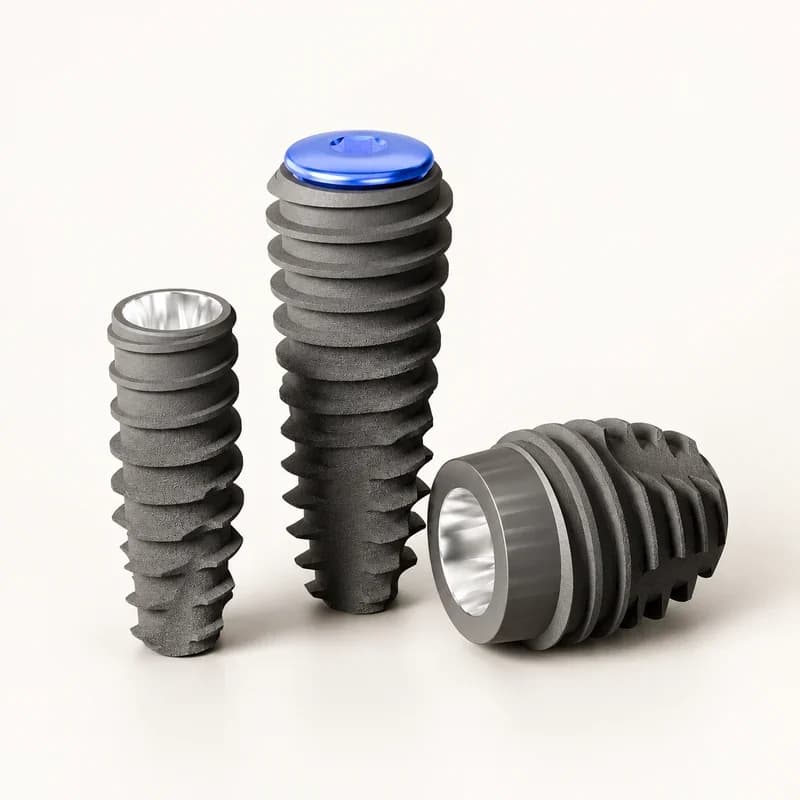
DiO Implant fixtures are designed with components and technical features intended to support implant placement, osseointegration, and tooth restoration.
Key structural features:
Titanium material: Biocompatible and supports integration with the jawbone.
Abutment connection: The connection between the Implant fixture and Abutment is designed with a ten-thread structure, helping increase restoration stability.
Fixture surface: Treated using micro-sandblasting and micro-groove technology, supporting integration between the Implant and the jawbone.
Varied sizes: Korean DiO Implant fixtures have diameters from 3.3–6 mm and lengths from 10–15 mm, suitable for many different tooth positions.
Aesthetics: The DiO Implant design supports subgingival restoration, helping create a harmonious gum contour and making the restored tooth appear more natural.
3. Are Korean DiO Implants Good?
The quality and effectiveness of an implant procedure depend not only on the fixture brand but also on the jawbone condition, treatment technique, restoration design, and post-placement care.
Below are characteristics to consider when evaluating Korean DiO Implant fixtures.
3.1. Supports Integration With the Jawbone
DiO Implant fixtures are designed to facilitate osseointegration after placement. When the fixture is stable and integrates well, the dentist can proceed with tooth restoration according to an appropriate plan.
Integration time is not the same for everyone. Cases with good bone quality may have more favorable conditions, while people who require bone grafting or have relevant health factors may need more time.
3.2. Biocompatible Material
Titanium is a common material in implant placement because of its biocompatibility. However, no type of fixture can completely eliminate the risk of complications or integration failure.
To improve the likelihood of a favorable restoration, implant patients need thorough examinations, control of risk factors, and adherence to the dentist's care instructions.
3.3. Supports Restoration of Chewing Ability
When the Implant fixture integrates well and the crown is appropriately designed, an implant tooth can help improve chewing ability at the site of the missing tooth.
However, the sensation of using an implant tooth may differ from that of a natural tooth. Patients need to follow guidance on diet, oral hygiene, and follow-up schedules to maintain restorative function.
3.4. Restores Smile Aesthetics
The ceramic crown on an Implant can be designed in a shape and color that match the remaining teeth. For the front tooth area, the dentist needs to pay attention to the gum contour, crown proportions, and color to create harmony when smiling.
Aesthetic results depend on the implant location, gum tissue condition, restoration plan, and treatment technique.
3.5. Longevity Depends on Many Factors
DiO Implant fixtures do not have a fixed service life for all cases. Their long-term durability depends on the extent of osseointegration, oral health, the condition of tissues around the Implant, chewing forces, and daily hygiene habits.
Regular follow-up visits help the dentist monitor the fixture, crown, and surrounding gum tissue so that appropriate action can be taken if abnormal signs are detected.
4. Who May Consider Korean DiO Implant Placement?
DiO Implant fixtures may be considered in a restoration plan for certain cases of tooth loss, such as:
Single missing tooth: When the missing tooth position needs to be restored while considering preservation of adjacent teeth.
Multiple missing teeth: The dentist assesses the number of fixtures needed and the appropriate restoration option.
Missing molars: When there is a need to restore chewing function at the site of the missing tooth.
Long-standing tooth loss: The extent of jawbone loss and the feasibility of placing an Implant need to be assessed.
Not everyone can receive an Implant immediately. The dentist needs to assess the jawbone condition, gum tissue, overall health, and risk factors before making a treatment plan.
In cases of bone deficiency, patients may need further consultation regarding bone grafting options or other restorative solutions.
5. DiO Korea Implant Placement Procedure
The implant placement procedure should be carried out according to a professional plan, based on each individual's actual condition.
Step 1: Examination and imaging
The dentist examines the oral condition, evaluates the missing tooth site, and orders appropriate imaging to assess the jawbone and relevant anatomical structures.
Step 2: Implant treatment planning
Based on the examination results, the dentist determines the appropriate implant position and size, as well as the restorative plan. Cases requiring additional treatment for oral health issues will be consulted on before proceeding.
Step 3: Implant fixture placement
The implant fixture is placed into the jawbone according to the plan. This procedure is performed under infection-control conditions and with appropriate anesthesia.
Step 4: Monitoring the osseointegration process
After implant placement, the dentist monitors healing and implant stability. The waiting period before restoration depends on the actual condition; the same timeframe does not apply to everyone.
Step 5: Placement of the abutment and ceramic crown
When the implant meets the conditions for restoration, the dentist performs the necessary steps to place the abutment and ceramic crown, while checking the bite and fit of the tooth.
Step 6: Care instructions and follow-up visits
Implant patients are instructed on oral hygiene, diet, and follow-up schedules to monitor the fixture and restoration after completion.
6. How Much Does a Korean DiO Implant Cost?
The cost of Korean DiO implant placement depends on the selected implant line, jawbone condition, type of abutment, ceramic crown, and any supporting procedures needed.
When reviewing prices, customers should clearly ask which items are included in the cost to make it easier to compare options.
Costs may include:
DiO implant fixture.
Abutment connector.
Ceramic crown on the implant.
Imaging and examinations as planned.
Bone grafting or additional procedures, if indicated.
Specific pricing must be confirmed according to the dental clinic's current price list and the restorative plan after examination. You should not choose solely based on the price of the implant fixture while overlooking other necessary items.
To learn the cost of DiO implant placement at Bảo An Dental, customers may contact the clinic for consultation based on their actual missing-tooth condition.
7. How to Care for a DiO Implant After Placement
Proper care helps support healing and maintain the health of tissues around the implant.
Oral hygiene: Clean your teeth as instructed by the dentist, using appropriate brushes and cleaning tools.
Follow dietary instructions: Prioritize soft foods during the initial stage and avoid applying heavy chewing force to the recently implanted area.
Do not smoke: Smoking may increase the risk of affecting healing and the health of tissues around the implant.
Follow medication instructions: Take medication only as prescribed, and do not change the dosage on your own.
Attend follow-up visits as scheduled: This helps the dentist check healing, fixture stability, and gum tissue health.
If increasing pain, significant swelling, prolonged bleeding, or signs that the implant fixture is loose occur, contact the dental clinic for an examination.
8. Korean DiO Implant Placement at Bảo An Dental
To choose an appropriate restorative option, people with missing teeth need a comprehensive examination and assessment before implant placement. In addition to researching the implant brand, customers should consider the dentist's expertise, treatment plan, origin of materials, and post-restoration follow-up regimen.
At Bảo An Dental, customers can register for an examination and receive consultation on their missing-tooth condition, implant placement eligibility, and related costs. The treatment option will be considered based on each individual's oral condition and needs.
Conclusion
Korean DiO implant placement is a missing-tooth restoration option that should be evaluated based on the characteristics of the implant line, jawbone condition, and specific treatment plan. Long-term effectiveness depends not only on the implant material but also on the placement technique, restoration quality, and post-treatment care.
If you are considering DiO dental implants, you should visit the clinic directly for consultation on an option suited to your missing-tooth condition and budget.
BẢO AN DENTAL – ACCOMPANYING YOU ON YOUR JOURNEY TO CARE FOR YOUR SMILE